
What role do volunteers play in assisted living?
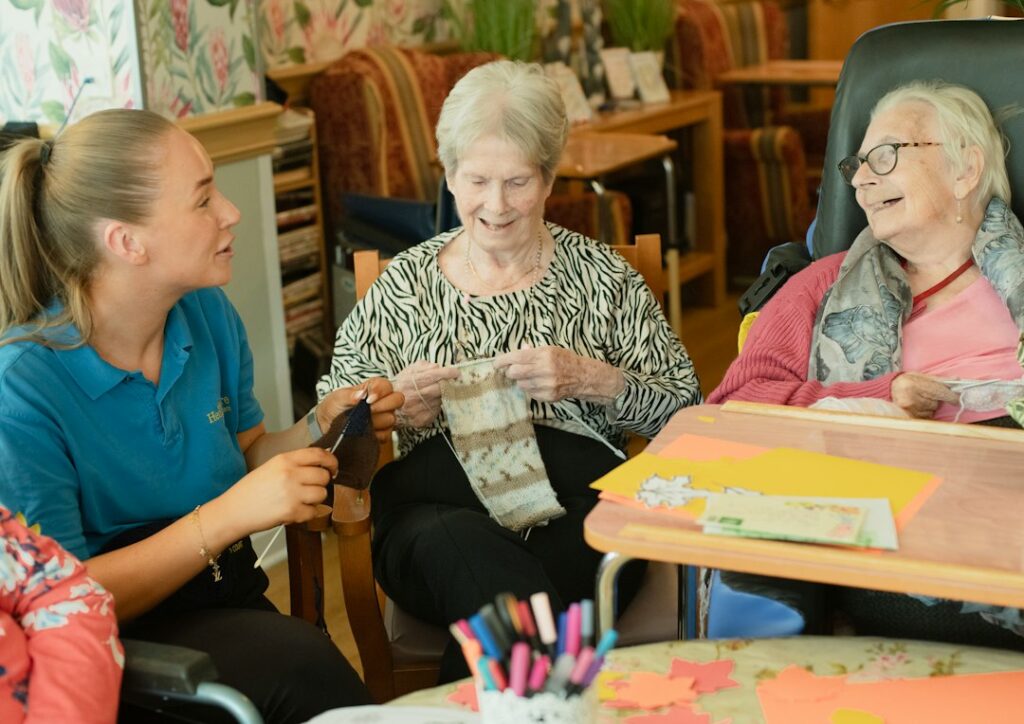
Volunteers help make assisted living communities more connected, engaging, and responsive to residents’ interests. They may spend time visiting with residents, assist with activities, read aloud, share music, help with events, or provide practical support under staff direction.
Volunteers do not replace licensed nurses, aides, medication staff, or other trained employees. Their role is generally social, recreational, educational, or supportive. The exact duties depend on the community’s policies, the volunteer’s training, and the needs of residents.
For residents and families in Plymouth, understanding this distinction can make it easier to recognize what volunteer involvement should look like and what questions are reasonable to ask.
How can volunteers improve residents’ daily experience?
Regular social contact is one of the most valuable contributions volunteers can make. A resident may benefit from a conversation, a shared activity, or simply having someone available to listen.
Common volunteer activities include:
- Visiting residents who receive fewer visitors
- Reading newspapers, books, poetry, or personal letters aloud
- Playing cards, board games, or simple group games
- Helping with crafts, gardening, music, or seasonal projects
- Accompanying residents to community gatherings within the facility
- Assisting with birthday celebrations or cultural events
- Writing letters or helping residents use phones and video calls
- Sharing hobbies such as knitting, art, cooking history, or local knowledge
- Supporting religious, spiritual, or reflective programs when requested
- Helping organize photographs, keepsakes, or personal stories
These activities can support a sense of identity and routine. A resident who once enjoyed teaching, gardening, singing, woodworking, or caring for children may appreciate a volunteer who is willing to learn about those interests.
Can volunteers help reduce loneliness?
Yes, volunteers can help reduce isolation, although they cannot solve every cause of loneliness. A consistent visitor may provide companionship for someone whose family lives far away, has limited transportation, or cannot visit frequently.
The quality of the interaction matters more than the length of the visit. A quiet conversation may be more meaningful than a large group activity. Some residents prefer one-on-one visits, while others enjoy lively gatherings.
Volunteers should avoid assuming that every resident wants frequent conversation. Respectful support may include asking permission before starting a visit, noticing signs of fatigue, and accepting that a resident may want privacy. A person who declines an activity is not necessarily uninterested in future contact.
What activities are most helpful for older adults?
Helpful activities are matched to the resident’s abilities, preferences, culture, and energy level. A successful activity does not need to be complicated or competitive.
Examples include:
- Reminiscence conversations using photographs, music, or familiar objects
- Short walks in safe indoor or outdoor areas, when approved by staff
- Folding towels, sorting cards, or arranging flowers for residents who enjoy purposeful tasks
- Gentle movement or stretching led by an approved instructor
- Singing familiar songs or listening to favorite recordings
- Seasonal decorations and simple art projects
- Reading groups with large-print materials
- Technology assistance for family calls
- Intergenerational visits involving appropriately supervised children or students
In colder months, indoor activities may be especially useful in Plymouth, where snow, ice, and reduced daylight can limit outdoor routines. Volunteers can help residents remain socially active without encouraging unsafe travel or walking conditions.
What are volunteers not allowed to do?
Volunteers usually cannot perform tasks that require clinical training, personal care authorization, or access to confidential records. They should not give medications, provide wound care, transfer a resident without proper training, or make decisions about treatment.
They also should not:
- Provide financial advice or handle money without clear authorization
- Drive residents unless the arrangement is formally approved and insured
- Share private information about residents
- Photograph or record residents without permission
- Give food or drinks without checking for dietary restrictions
- Move mobility equipment or medical devices without guidance
- Promise services or make commitments on behalf of staff
- Accept valuable gifts, loans, or personal financial favors
Boundaries protect both residents and volunteers. If a resident asks for help that falls outside a volunteer’s role, the volunteer should refer the request to an appropriate staff member.

How are volunteers trained and supervised?
A responsible volunteer program includes screening, orientation, role-specific instruction, and ongoing supervision. Training may cover emergency procedures, infection prevention, resident rights, privacy, communication, dementia awareness, fall prevention, and reporting concerns.
Volunteers should know how to respond if a resident appears injured, confused, unusually withdrawn, short of breath, or distressed. The correct response is to notify staff promptly rather than attempting to diagnose or treat the problem.
The level of supervision may vary. A volunteer helping with a craft group may work under general oversight, while someone assisting with a mobility-related activity may need more specific instruction. Families can reasonably ask how volunteers are trained and who supervises their work.
How do volunteers support residents living with dementia?
Volunteers can provide meaningful companionship to residents with memory loss when they receive appropriate guidance. Calm conversation, familiar music, simple tasks, and predictable routines may be more comfortable than complicated questions or fast-paced activities.
Helpful communication often includes:
- Using a calm voice and short, clear statements
- Allowing extra time for responses
- Avoiding arguments about mistaken memories
- Offering simple choices instead of many options
- Watching for signs of frustration, fear, or fatigue
- Focusing on the resident’s feelings rather than correcting every detail
Volunteers should never treat dementia-related behavior as deliberate rudeness. A resident may be responding to confusion, pain, overstimulation, or an unmet need. Concerns should be reported to staff.
What should families ask about volunteer involvement?
Families may want to ask practical questions before relying on volunteer support. Useful questions include:
- What duties are volunteers permitted to perform?
- Are volunteers screened and trained?
- How are visits documented or coordinated?
- Who supervises volunteers?
- How are privacy and photography handled?
- What happens if a volunteer notices a safety or health concern?
- Are activities adapted for residents with hearing, vision, mobility, or memory changes?
- Can residents decline visits or activities?
- How are gifts and personal boundaries managed?
The answers can help families understand whether volunteer participation is structured and respectful rather than informal or unpredictable.
How can residents participate safely?
Residents should be encouraged to express their preferences. A person may want a weekly reading visit, occasional help with technology, or participation only in small groups. Preferences can change with health, mood, hearing, sleep, or medication changes.
Residents should also feel comfortable ending a visit, declining an activity, or reporting conduct that feels uncomfortable. Volunteers are present to support residents’ quality of life, not to control their schedule or personal choices.
A well-managed volunteer program adds human connection without blurring professional responsibilities. Its value is found in dependable companionship, meaningful activities, and respectful attention to the individual lives of residents.
