
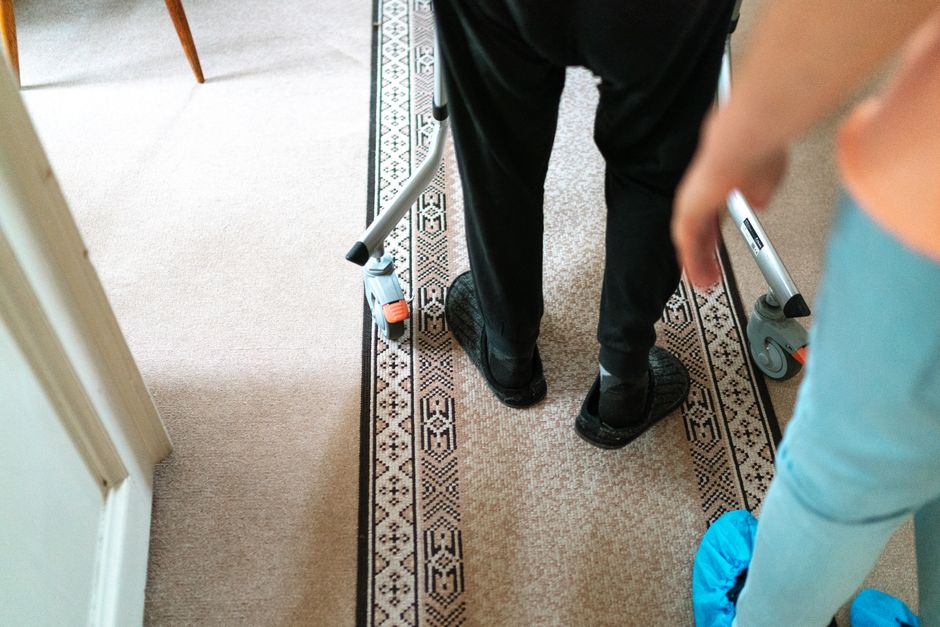
Falls are not an unavoidable part of aging. In assisted living, prevention works best when it combines safer surroundings, appropriate activity, medication awareness, regular vision care, and prompt attention to changes in strength or balance.
A fall may happen during an ordinary activity such as getting out of bed, walking to the bathroom, reaching for an item, or stepping outside. The goal is not to restrict independence, but to make daily movement more predictable and secure.
Why are falls a major safety concern in assisted living?
Falls can cause bruises, fractures, head injuries, loss of confidence, and a decline in mobility. Even when a fall does not cause a serious injury, fear of falling may lead a resident to avoid walking, bathing, social activities, or exercise. Less movement can then contribute to weaker muscles and poorer balance.
Residents and families should also know that falls are not always caused by a single hazard. A loose rug may contribute, but so can dizziness, a medication change, poor lighting, unsuitable footwear, or rushing to the bathroom.
Any new fall, near-fall, or repeated loss of balance deserves attention. A near-fall can reveal a safety problem before an injury occurs.
Which changes inside a living space help prevent falls?
The safest room is one with clear walking paths, adequate lighting, and frequently used items within easy reach. A room-by-room check can identify hazards that may otherwise become part of a daily routine.
Useful changes include:
- Remove loose throw rugs, curled mat edges, and clutter from walking areas.
- Keep electrical cords, oxygen tubing, pet items, and furniture out of main pathways.
- Use night-lights between the bed, bathroom, and other frequently used areas.
- Place switches, lamps, and phones where they can be reached without stretching.
- Keep glasses, hearing devices, water, and commonly used personal items close to the bed or chair.
- Use nonslip surfaces in bathrooms and other areas that may become wet.
- Make sure chairs and beds are stable and at a practical height for sitting and standing.
- Use handrails on stairs and grab bars that are securely installed in bathing areas.
A common misconception is that a wall or towel bar can serve as a reliable handhold. Towel bars are not designed to support body weight and may pull away from the wall.
In assisted living, residents should report loose flooring, uneven thresholds, burned-out bulbs, or unstable furniture rather than trying to fix a hazardous item alone.
How do shoes and clothing affect balance?
Footwear can either improve stability or create an avoidable risk. Shoes should fit securely, have a low and stable heel, and provide good traction. Slippers that are loose, backless, worn smooth, or easy to slide out of may be unsafe for routine walking.
Socks alone can be risky on smooth flooring unless they have appropriate nonslip surfaces. Long robes, wide pant legs, and clothing that drags near the feet can catch on furniture or flooring.
Residents should avoid walking while carrying items that block the view of the floor. A small bag, rolling cart, or staff assistance may be safer when both hands are needed for balance.
Can medications increase the chance of falling?
Yes. Some medications can cause sleepiness, dizziness, blurred vision, confusion, lower blood pressure, or slower reactions. Risk may increase after a new prescription, a dosage change, or the addition of an over-the-counter medicine.
Medications that may contribute to falls include some sleep aids, anxiety medicines, pain medicines, blood-pressure medicines, and drugs that affect alertness. This does not mean a resident should stop taking a medication. Stopping certain medicines suddenly can also be dangerous.
A medication review should be requested when a resident experiences:
- New dizziness or unusual sleepiness
- Faintness when standing
- Confusion or unsteady walking
- A fall after a medication change
- Several prescriptions that may have similar side effects
The review should include prescription drugs, over-the-counter products, vitamins, and herbal supplements. Changes should be made only with guidance from the prescribing clinician or pharmacist.
What role do exercise and mobility play?
Appropriate physical activity can improve leg strength, balance, coordination, and confidence. The safest program is one matched to the resident’s abilities and health conditions.
Helpful activities may include supervised walking, sit-to-stand practice, gentle strength exercises, balance work, and flexibility exercises. A resident who uses a walker or cane should use it as instructed and have the device adjusted correctly. A poorly fitted aid can create additional risk.
Exercise should not be treated as a test of toughness. Pain, chest discomfort, severe shortness of breath, faintness, or sudden weakness are reasons to stop and seek medical guidance.
Residents who have become less active after illness, hospitalization, or a prior fall may need a gradual plan rather than an immediate return to previous activity levels.
How can bathroom trips be made safer?
Bathrooms are frequent locations for falls because floors may be wet and residents may move quickly when they need to use the toilet.
Practical precautions include:
- Keep the floor dry and use appropriate nonslip surfaces.
- Install securely anchored grab bars near the toilet and bathing area.
- Use a shower chair or handheld shower setup when recommended.
- Keep soap, towels, and toiletries within easy reach.
- Use a raised toilet seat or other equipment only if it is properly fitted.
- Turn on the light before standing or walking at night.
- Allow enough time rather than rushing.
Urgency and nighttime bathroom trips may require an individualized plan. A resident who regularly wakes several times to use the bathroom should mention this, especially if dizziness or sleep medication is also involved.
Why do vision and blood pressure matter?
Poor vision can make it harder to notice a step, wet spot, uneven surface, or object in the walking path. Regular eye care, clean lenses, adequate lighting, and updated prescriptions can reduce avoidable hazards.
Bifocals and progressive lenses may require extra caution on stairs or uneven ground because the lower portion of the lens can affect depth perception. Residents should follow the guidance provided for their specific vision needs.
Blood pressure can also drop when a person rises from bed or a chair. Sitting at the edge of the bed for a moment, moving the feet, and standing slowly may help some people. Repeated lightheadedness should be reported rather than dismissed as normal aging.
What seasonal concerns matter in Plymouth?
Winter conditions can make outdoor walking more difficult because of snow, ice, slush, wet entrances, and reduced daylight. In Plymouth, residents and families should pay attention to the transition between indoor and outdoor surfaces, particularly near entrances and walkways.
Before going outside:
- Check whether paths are cleared and treated.
- Wear shoes or boots with dependable traction.
- Avoid carrying bags that interfere with balance.
- Use prescribed mobility equipment.
- Ask for assistance when surfaces are slick or visibility is poor.
Wet floors can also become a concern during rainy weather. Entry areas should have secure mats that lie flat, with water removed promptly.
What should happen after a fall?
A resident should not be hurried back to standing after a fall. Check for severe pain, bleeding, head impact, confusion, inability to move normally, or a possible broken bone. Emergency help is needed for serious symptoms, loss of consciousness, breathing difficulty, chest pain, sudden weakness, or suspected head or neck injury.
Even when the resident feels fine, the fall should be reported and documented. Details such as the time, location, footwear, lighting, activity, symptoms, and possible trigger can help identify a pattern.
The most useful prevention plan is individualized. It may involve environmental changes, medication review, vision care, hydration, strength and balance activity, better nighttime routines, or a change in how assistance is provided. A fall should be treated as information about safety—not as a reason to give up independence.
