
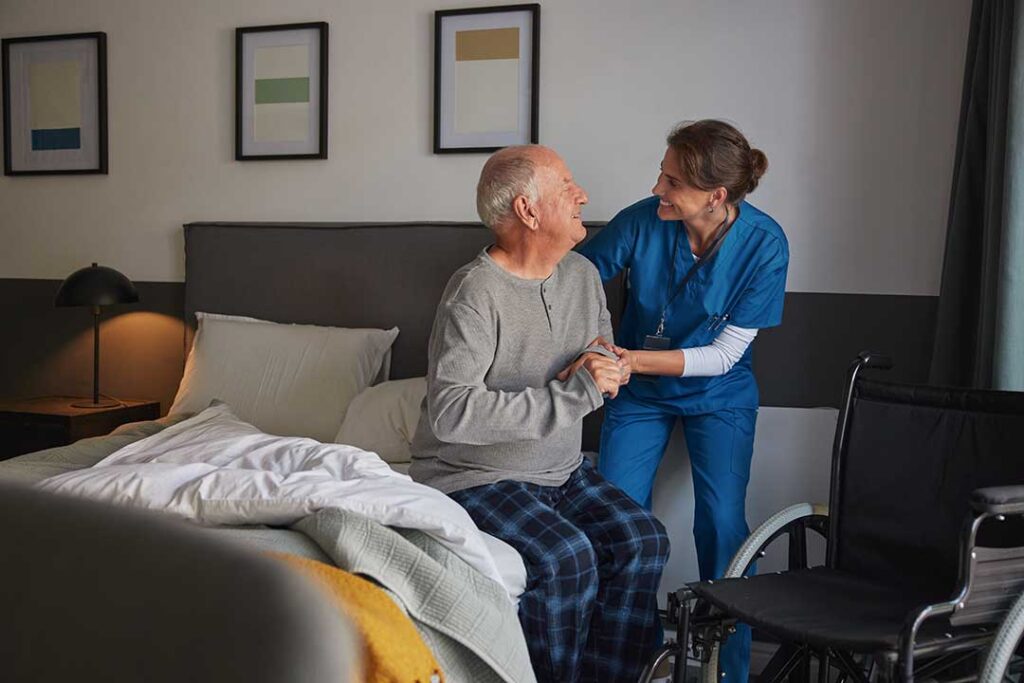
Why family participation in assisted living events matters
Family members can make assisted living events more meaningful by attending regularly, joining activities at the resident’s pace, and treating each gathering as an opportunity for connection rather than an obligation. In Plymouth, PA, events may include seasonal celebrations, music programs, exercise groups, discussion sessions, shared meals, educational talks, or informal social hours.
Participation does not need to be elaborate. A family member who sits nearby during an activity, helps a resident prepare for an event, or asks about the experience afterward may contribute more than someone who attends but remains distracted. The most useful involvement is consistent, respectful, and suited to the resident’s interests and abilities.
What should a family member do before attending an event?
Before attending, confirm the event’s time, location, expected length, and whether guests are welcome. Assisted living communities may have different arrangements for larger celebrations, outings, meals, or activities held in smaller areas.
It can also help to ask the resident what they expect from the event. Some residents may want a family member to participate actively. Others may prefer quiet companionship or may feel comfortable attending independently.
Consider these practical details:
- Ask whether the resident needs help getting ready, gathering personal items, or arriving on time.
- Check whether the activity involves standing, walking, outdoor exposure, loud music, or crowded spaces.
- Bring glasses, hearing aids, a sweater, mobility equipment, or other items the resident typically uses.
- Allow extra time during colder, wet, or icy weather, which can affect transportation and walking conditions in the area.
- Avoid promising attendance until schedules are confirmed, especially for events tied to holidays or family gatherings.
A short conversation beforehand can prevent misunderstandings. It also gives the resident a chance to say whether they want assistance, privacy, or a change in plans.
How can family members participate without taking over?
Family members should support the resident’s involvement without answering every question, directing every activity, or speaking for the resident unnecessarily. The resident may move more slowly, need additional time to respond, or choose not to participate in the same way as other people.
During an event, try to:
- Sit where the resident can see and hear comfortably.
- Offer choices instead of instructions, such as asking whether they would like to join a game or watch.
- Allow the resident to speak for themselves whenever possible.
- Provide help only when needed or requested.
- Avoid correcting minor mistakes in front of others.
- Follow the event’s safety and participation guidelines.
- Step aside briefly if the resident wants to interact independently.
For example, at a craft activity, a family member might organize materials or steady a container without completing the project. At a music program, simply sitting together and discussing familiar songs afterward may be enough.
What if the resident does not want to attend?
A resident’s refusal may reflect tiredness, pain, anxiety, confusion, hearing difficulty, dislike of crowds, or a preference for another activity. It should not automatically be interpreted as rejection of the family member or lack of interest in social connection.
Ask calmly why the resident does not want to attend. The reason may suggest a simple adjustment, such as arriving later, sitting near an exit, attending for only part of the program, or choosing a quieter event.
If the resident still declines, respect the decision. Family participation can take other forms:
- Visit privately in the resident’s room or another comfortable area.
- Bring photographs, letters, or familiar objects to discuss.
- Take a short indoor walk if appropriate.
- Share a snack or beverage according to dietary guidance.
- Read aloud, listen to music, or watch part of a program together.
- Ask the resident about past events, traditions, or favorite activities.
Repeated refusal, a sudden change in social behavior, or visible distress may be worth discussing with the appropriate care staff. The purpose is to understand the change, not to pressure the resident into attending.
How should families handle celebrations and holidays?
Celebrations can be enjoyable but may also create fatigue, sensory overload, or emotional difficulty. Holidays can bring memories of people who are no longer living, changes in family traditions, or disappointment if the resident cannot participate as in previous years.
Family members can make these occasions easier by keeping plans flexible. A shorter visit may be more comfortable than staying through an entire program. If several relatives attend, designate one person to remain attentive to the resident rather than allowing the gathering to become centered entirely on family conversation.
Be mindful of:
- Strong decorations, bright lights, loud sounds, or crowded rooms.
- Food restrictions, swallowing concerns, diabetes management, or medication schedules.
- The resident’s need for rest before or after the event.
- Weather-related travel delays or unsafe walking conditions.
- Family photographs that may be tiring or uncomfortable.

Ask before taking photographs or sharing them with others. Some residents may welcome pictures, while others may prefer not to be photographed or may have privacy concerns.
What questions should family members ask about events?
Useful questions focus on access, comfort, communication, and safety. A family member may ask:
- Is the event open to family members, and is advance notice needed?
- How long does the activity usually last?
- Is seating available for residents who cannot stand for long periods?
- Can a resident leave early if tired or uncomfortable?
- Are food, drinks, or personal items permitted?
- What accommodations are available for hearing, vision, memory, or mobility needs?
- How are outdoor events handled during heat, rain, snow, or icy conditions?
- Who should be informed if the resident needs additional support?
These questions are especially helpful for families who live outside the immediate area or visit less often. Clear information reduces last-minute stress and helps the resident feel prepared.
How can family members build relationships with other residents respectfully?
Friendly conversation with other residents can be appropriate during a shared activity, but family members should respect privacy and personal boundaries. Avoid asking intrusive questions about health, finances, family conflict, or living arrangements.
Simple conversation starters may include:
- “Have you attended this activity before?”
- “What did you think of the music?”
- “Do you enjoy this kind of craft?”
- “Would you like help finding a seat?”
If a resident appears confused, upset, or withdrawn, do not attempt to manage the situation independently. Quietly notify an appropriate staff member while remaining calm and respectful.
Family members also should not compare residents or criticize the event in front of participants. Concerns can be raised privately through the proper communication process.
What does meaningful follow-up look like?
After an event, ask open-ended questions rather than assuming the resident enjoyed it. “What stood out to you?” or “Would you want to attend something similar again?” allows for a more honest response than “Did you have fun?”
Notice practical signs of comfort or strain. The resident may be energized, tired, hungry, overstimulated, or pleased by a particular part of the event. These observations can guide future choices.
Keep a simple record of activities the resident enjoys, avoids, or tolerates only briefly. Over time, this may reveal preferences that are not obvious from an activity calendar. A resident who dislikes large gatherings may enjoy small discussion groups, while someone who avoids structured programs may appreciate informal visits outdoors during pleasant weather.
The goal is not to attend every event. It is to help the resident maintain choice, connection, dignity, and a sense of belonging in everyday community life.
