

Assisted living residents and families in Plymouth, PA often ask whether therapies such as music, gentle movement, massage, aromatherapy, or mindfulness can be used alongside regular medical care. These approaches are commonly called integrative therapies. They are intended to support comfort, emotional well-being, daily function, and quality of life—not replace prescribed treatment.
What are integrative therapies in assisted living?
Integrative therapies combine standard healthcare with carefully selected supportive practices. The goal is to address the whole person, including physical comfort, mood, social connection, personal interests, and spiritual or emotional needs.
Examples may include:
- Music, singing, or rhythm activities
- Gentle stretching, chair exercise, or tai chi
- Guided breathing, meditation, or relaxation exercises
- Massage or therapeutic touch
- Art, gardening, crafts, and reminiscence activities
- Aromatherapy used cautiously
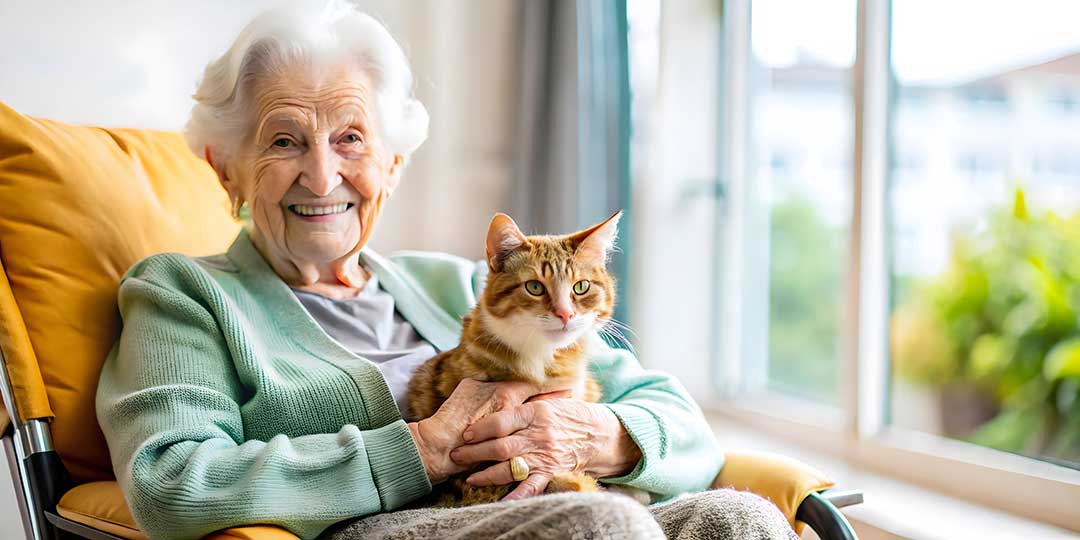
- Pet or animal-assisted activities
- Outdoor time, sensory activities, or nature-based programs
The term “integrative” does not mean that every alternative treatment is appropriate. A safe program considers the resident’s diagnoses, medications, mobility, communication abilities, preferences, and risk of injury.
How can these therapies help older adults?
Integrative therapies may support several areas of daily life, although results differ from person to person. Music and familiar songs may encourage participation, support memory, and reduce feelings of isolation. Gentle movement can help residents maintain flexibility, balance, and confidence with everyday activities.
Relaxation practices may help some residents manage stress, restlessness, or difficulty settling at night. Creative activities can provide a sense of accomplishment and offer ways to communicate when speech or memory has become more difficult.
These therapies can also strengthen social connection. A resident who does not participate in a large group may engage more comfortably in a small music session, hand massage activity, or quiet art project.
Integrative care should be viewed as supportive rather than curative. It may improve comfort or engagement without treating the underlying cause of pain, confusion, depression, infection, or another medical problem.
Which approaches are commonly suitable for assisted living residents?
The most suitable option depends on the individual. Activities that are low-risk, adaptable, and easy to stop are often practical in a residential setting.
Music and reminiscence
Music can be used through group singing, familiar recordings, simple instruments, or rhythm exercises. Residents may respond positively to songs connected with childhood, family traditions, work, worship, or important life events.
Reminiscence activities may include photographs, household objects, seasonal memories, or guided conversations. These should not pressure a resident to remember details accurately. The purpose is connection, not testing memory.
Gentle movement
Chair exercises, stretching, balance activities, and slow coordinated movements can be modified for residents with arthritis, weakness, or limited endurance. A person should not be expected to stand, bend, or move through pain.
In Plymouth, winter weather can limit outdoor walking and make sidewalks or entryways slippery. Indoor movement options are particularly useful during cold, icy, or wet conditions. During warmer months, outdoor activity still requires attention to shade, hydration, footwear, and heat tolerance.
Breathing and relaxation
Short breathing exercises, quiet reflection, guided imagery, and calming sensory routines may help residents who experience tension or mild anxiety. Instructions should be simple and offered in a calm setting.
Residents with respiratory disease, panic symptoms, cognitive impairment, or difficulty following directions may need a modified approach. Forced deep breathing is not appropriate for everyone.
Massage and therapeutic touch
Gentle hand, shoulder, or foot massage may promote relaxation and comfort. Skin condition, circulation problems, pain sensitivity, swelling, wounds, bruising, and blood-thinning medication must be considered first.
Touch should always be voluntary. The resident should understand what will happen and be able to stop the activity at any time.
Art, gardening, and sensory activities
Painting, folding, arranging flowers, working with clay, or tending indoor plants can support fine-motor activity and self-expression. Gardening may be adapted with raised containers, lightweight tools, or tabletop plants.
Sensory activities can include textured fabrics, familiar scents, seasonal objects, or hand-washing and folding routines. Strong fragrances should be avoided when residents have asthma, allergies, headaches, or sensitivity to odors.
Are integrative therapies safe for people with dementia?
They can be, but the activity must be adjusted to the person’s abilities and current condition. Familiar music, movement, hand activities, and sensory routines may be more accessible than complicated instructions.
A safe dementia-friendly activity generally has:
- One or two clear steps
- A quiet or predictable setting
- Close observation without unnecessary correction
- Materials that are not sharp, toxic, choking hazards, or easily swallowed
- A way to pause or leave without embarrassment
Sudden agitation, withdrawal, facial tension, repeated refusal, or changes in breathing may indicate that the activity is uncomfortable or overstimulating. Staff and family members should treat those signs as communication rather than misbehavior.
A new or worsening change in behavior may also signal pain, medication effects, constipation, dehydration, infection, poor sleep, or another medical concern. Integrative activities should not delay assessment of those possibilities.
Can these therapies replace medication or medical treatment?
No. Integrative therapies should complement, not replace, medical care. A calming activity may help a resident feel less distressed, but it does not diagnose the cause of distress. Massage may ease tension, but it does not treat a fracture or serious circulation problem. Music may improve engagement, but it is not a substitute for evaluation of sudden confusion.
Families should be cautious about claims that a therapy can cure dementia, eliminate chronic disease, or replace prescribed medicine. Any change to medication, diet, mobility restrictions, or treatment plans should be discussed with the resident’s licensed healthcare team.
What should families ask before an activity begins?
Families can ask practical questions about purpose, supervision, and safety:
- What is the goal of the activity?
- Is it recreational, therapeutic, or part of a formal treatment plan?
- Who leads it, and what training do they have?
- How is the activity adapted for mobility, hearing, vision, or memory changes?
- What health conditions or medications could affect participation?
- How is consent obtained?
- What signs would cause the activity to stop?
- How are outcomes documented or communicated to the family?
Residents should be offered choices whenever possible. Consent is not a one-time event; a person may agree one day and decline the next.
How can residents and families judge whether an approach is helping?
Useful signs may include improved participation, calmer behavior, easier communication, better sleep, greater comfort, or more interest in social activity. The effect may be modest and may last only for a short period.
A simple record can help identify patterns. Families or staff might note the activity, duration, the resident’s mood before and afterward, and any unwanted effects. This is more reliable than assuming a therapy works because it is popular or described as “natural.”
“Natural” does not automatically mean safe. Essential oils, herbal products, supplements, and special diets can interact with medications or worsen medical conditions. These products deserve the same level of caution as any other treatment.
What does good integrative care look like?
Good integrative care is individualized, voluntary, supervised, and connected to the resident’s broader care plan. It respects cultural background, personal history, religious beliefs, sensory preferences, and daily routines.
For local households, seasonal planning can make participation easier. Indoor options are valuable during periods of snow, ice, and limited daylight, while outdoor programs may be more comfortable during mild weather. Regardless of season, the resident’s comfort, safety, and preferences should guide the decision.
The most useful question is not whether a therapy is trendy. It is whether the activity is appropriate for this resident, at this time, for a clearly understood purpose.
