
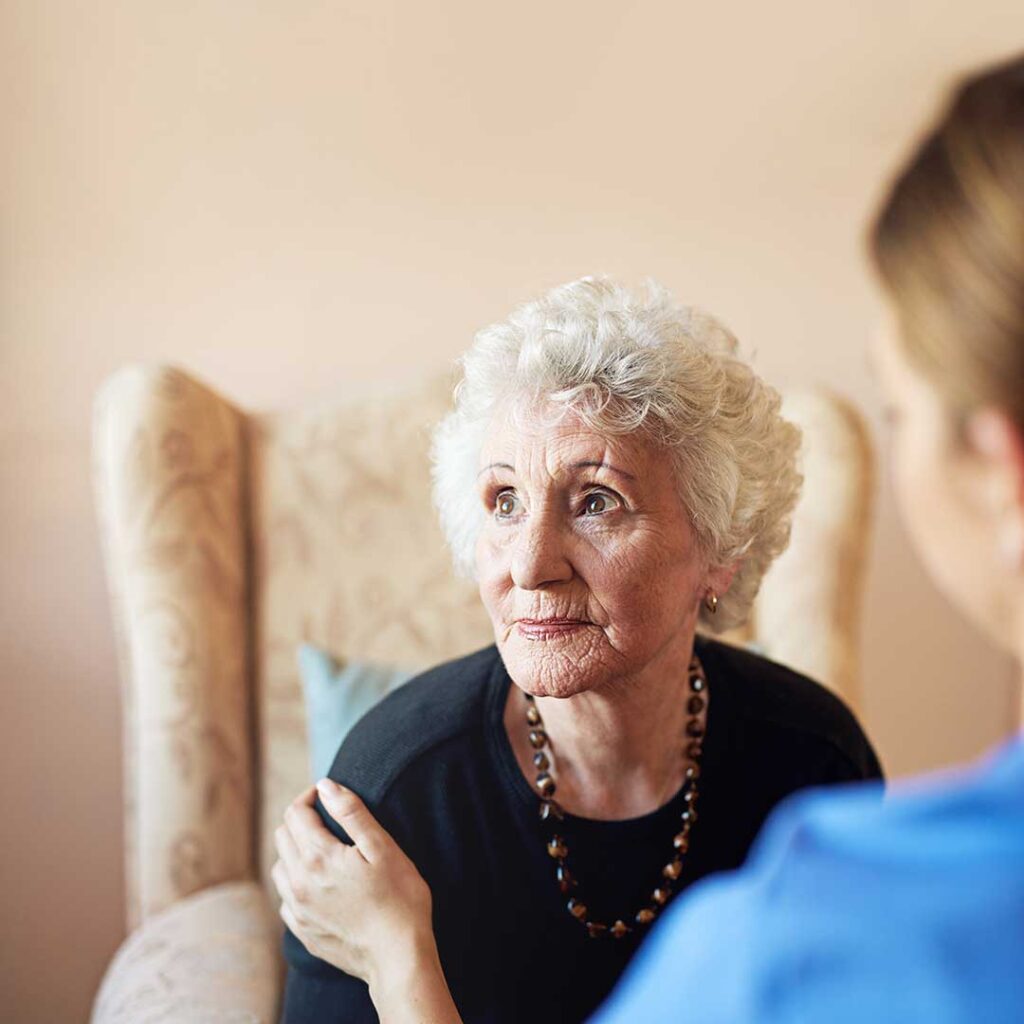
Living with dementia presents unique challenges, not just for seniors but for their loved ones and caregivers as well. For families in Plymouth, Pennsylvania, finding the right balance of support, independence, and compassionate care within an assisted living environment is crucial. This blog discusses practical strategies to help seniors with dementia thrive in assisted living, while highlighting the importance of community and local culture in Plymouth.
Understanding Dementia in Assisted Living
Dementia is a progressive decline in cognitive function, affecting memory, thinking, and the ability to perform everyday activities. Assisted living communities in Plymouth provide an ideal setting for seniors with dementia who need support but still wish to maintain a degree of independence. Recognizing the symptoms and stages of dementia is the first step toward providing meaningful care and support.
- Common symptoms: confusion, memory loss, changes in mood, difficulty with communication, and diminished problem-solving skills.
- Progression: Symptoms worsen over time, making ongoing assessment and care plan adjustments essential.
Creating a Familiar and Safe Environment
A sense of familiarity and safety is vital for seniors with dementia. Assisted living providers in Plymouth often incorporate these elements into their communities:
- Personalized living spaces: Encourage families to decorate rooms with familiar photos, quilts, or mementos tied to the local history or family traditions.
- Clear, simple layouts: Reduce confusion with easy-to-navigate hallways, color-coded doors, and well-lit areas.
- Secure outdoor spaces: Many Plymouth assisted living homes have secure gardens where seniors can enjoy the seasons typical of Northeast Pennsylvania, including annual autumn leaf changes and spring flower blooms.
Encouraging Local Connections and Activities
Staying engaged with the community is especially beneficial for seniors’ mental and emotional well-being. In Plymouth, this means leveraging the town’s rich history and seasonal events to create meaningful experiences.
- Attend local festivals and events: Even with dementia, many seniors enjoy a stroll through the annual Plymouth Kielbasa Festival or visits to local farmer’s markets.
- Incorporate music and crafts: Hosting sessions with local musicians or crafting groups helps connect residents with tradition while stimulating memory and creativity.
- Foster intergenerational programs: Bring together children from nearby schools with assisted living residents for reading, gardening, or storytelling.
Emphasizing Routine and Structure
Predictability is a comfort to seniors with dementia. A consistent daily routine minimizes anxiety and confusion.
- Structured meal times: Serving familiar foods from the region, like pierogies and fresh Pennsylvania produce, provides both nourishment and comfort.
- Scheduled activities: Regular exercise classes or nature walks along Plymouth’s scenic riverfront help maintain physical health and cognitive sharpness.
- Medication and care routines: Administer medication at the same times daily, using reminders and visual aids to support memory.
Supporting Communication and Socialization
Maintaining communication skills is crucial, even as dementia progresses. Families and caregivers can support this in practical ways:
- Use simple sentences: Speak clearly and slowly, giving seniors time to process.
- Visual cues: Pictures of family, local landmarks such as the Shawnee Cemetery, or familiar seasonal decorations can aid understanding.
- Encourage participation: Invite seniors to join group conversations, play games, or reminisce about Plymouth’s coal mining era or their favorite local traditions.
Promoting Health and Nutrition

Proper nutrition and regular medical care are foundational. Assisted living communities in Plymouth can ensure:
- Balanced, familiar diets: Combine nutritious meals with favorite local dishes to encourage eating.
- Supervised hydration: Dehydration can worsen confusion, so offer small, frequent drinks—warm teas during Pennsylvania winters are comforting and healthy.
- Routine healthcare: Coordinate with local doctors and specialists for regular checkups and medication reviews.
Family Involvement and Education
Supporting a loved one with dementia is a team effort. Families benefit from staying involved, seeking education, and accessing local support networks.
- Frequent visits: Regular family visits, even brief ones, provide emotional support and a sense of continuity.
- Learn about dementia: Attend workshops or support groups—many are hosted by local senior centers or the Luzerne County Area Agency on Aging.
- Advocate for loved ones: Maintain open communication with staff about your loved one's preferences, medical needs, and unique personality traits.
Utilizing Local Resources for Dementia Care
Plymouth, PA, is fortunate to have community resources to aid families and caregivers:
- Alzheimer’s Association of Greater Pennsylvania: Offers workshops, hotlines, and caregiver resources.
- Local libraries: Plymouth Public Library often holds memory cafés, educational talks, and events welcoming seniors with dementia.
- Faith-based organizations: Local churches run outreach programs, social visits, and transportation to community events.
Conclusion: Building a Community of Support in Plymouth
Supporting seniors with dementia in assisted living is about more than just meeting daily needs. It's about embracing their individuality, promoting engagement, and upholding dignity in the heart of Plymouth’s vibrant, close-knit community. With the right strategies, families and caregivers can create a nurturing environment where seniors feel safe, respected, and valued—holding onto cherished traditions while forging new, meaningful connections.
If you have a loved one in assisted living in Plymouth, PA, reach out to your local community for advice, resources, and support. Working together, we can ensure every senior with dementia receives care tailored to their unique needs and history.
